
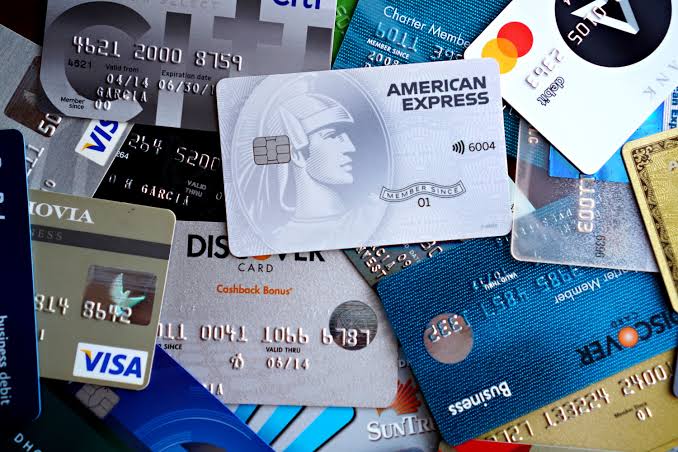
A credit card is a payment tool issued by a bank or other financial institution that allows a cardholder to borrow money for purchases up to an approved credit limit. Unlike a debit card, which uses money already available in a bank account, a credit card uses a line of credit provided by the issuer. The borrowed amount must be repaid according to the card agreement.
Credit cards are accepted by millions of merchants worldwide and are commonly used for shopping, online payments, travel bookings, recurring subscriptions, and bill payments. When used responsibly, they can offer convenience and additional benefits. However, they also require careful financial management because unpaid balances may result in interest charges and other fees.
Understanding How a Credit Card Works
When a credit card is used to make a purchase, the issuing bank pays the merchant for the transaction. The amount spent is added to the cardholder’s account and appears on the monthly billing statement.
Each billing cycle has a closing date and a payment due date. After the statement is generated, the cardholder can choose to pay the full statement balance or, depending on the issuer’s terms, make at least the required minimum payment. Paying the full statement balance by the due date generally avoids interest on eligible purchases made during that billing cycle.
The available credit decreases as purchases are made and increases again after payments are processed.
What Is a Credit Limit?
Every credit card has a credit limit, which is the maximum amount that can be borrowed at one time. The issuer determines this limit after considering factors such as the applicant’s financial information, income, and internal lending policies.
The credit limit is not extra income. It is borrowed money that must be repaid according to the terms of the credit card agreement.
Types of Credit Cards
Financial institutions offer different types of credit cards to meet various customer needs.
Reward credit cards allow cardholders to earn points or other benefits on eligible purchases.
Cashback credit cards provide a percentage of eligible spending back as cashback.
Travel credit cards may include travel-related rewards such as airline miles or hotel benefits.
Student credit cards are designed for individuals who are beginning to establish their financial history.
Secured credit cards generally require a security deposit and may be available for people who are building or rebuilding credit, depending on the issuer.
The availability of these products differs by country and financial institution.
Benefits of Using a Credit Card
One of the biggest advantages of a credit card is convenience. It allows users to make purchases without carrying cash and is widely accepted for online shopping and international payments.
Many issuers include security features such as fraud monitoring, transaction alerts, EMV chip technology, and additional verification for online purchases.
Some cards also provide reward programs that may include cashback, reward points, or travel benefits on eligible purchases.
Using a credit card responsibly may also help establish a positive payment history where credit reporting systems are used.
Possible Risks
Although credit cards offer many benefits, they should be used carefully.
Failing to pay the statement balance on time may lead to interest charges according to the card agreement.
Missing payments may also result in late payment fees and, where applicable, may affect a person’s credit history.
Another common risk is overspending. Because payments are deferred until later, some people may spend more than they can comfortably repay.
Cash advances are another feature offered by many credit cards, but they often have different fees and interest terms than regular purchases. Cardholders should review their issuer’s terms before using this feature.
Safe Credit Card Practices
Keeping a credit card secure is just as important as making timely payments.
Never share your PIN, passwords, or one-time verification codes with anyone.
Use trusted websites when making online purchases and look for secure payment connections.
Enable transaction notifications if your card issuer provides them. These alerts can help you quickly identify unauthorized activity.
If your card is lost or stolen, report it to the issuer immediately so appropriate action can be taken.
Understanding Your Monthly Statement
A monthly credit card statement contains important information, including:
- Billing period
- List of transactions
- Total statement balance
- Minimum payment due
- Payment due date
- Available credit after the statement
Reviewing each statement helps ensure that all listed transactions are accurate. If an unfamiliar charge appears, contact the issuer promptly.
Credit Card and Debit Card Differences
Although both cards are commonly used for payments, they operate differently.
A debit card deducts money directly from the customer’s bank account at the time of purchase.
A credit card uses borrowed funds provided by the issuer, which must be repaid later.
Because of this difference, responsible use of a credit card requires careful budgeting and timely repayment.
Choosing the Right Credit Card
Before applying for a credit card, compare different options offered by financial institutions.
Important factors include annual fees, interest rates, reward programs, eligibility requirements, customer service, accepted payment networks, and any additional benefits that match your spending habits.
Reading the complete terms and conditions before applying helps you understand your responsibilities as a cardholder.
Final Thoughts
A credit card is a useful financial tool when managed responsibly. It offers flexibility, secure payment options, and convenient access to credit for everyday purchases and online transactions. At the same time, it should never be viewed as free money. Every purchase made with a credit card creates a repayment obligation.
Understanding how billing cycles, payment due dates, credit limits, and fees work can help cardholders make informed financial decisions. By spending within your budget, paying on time, and protecting your card information, you can use a credit card effectively while reducing the risk of unnecessary debt or additional charges.
This article is intended for general educational purposes only. Credit card features, fees, eligibility criteria, and consumer protections vary by country, financial institution, and the specific credit card agreement. Always review the official terms and conditions provided by the card issuer before applying for or using a credit card.